By Steven Shane
One of the most common misconceptions I encounter when working with prospective buyers is the idea that
Aspen is a seasonal place. People think of it as a winter escape, a place you visit for ski week and then leave behind when the snow melts. What those buyers discover once they spend real time here, across all four seasons, is that Aspen is one of the most complete year-round living environments anywhere in the world.
The mountain does not go dormant when the lifts close. It transforms, and that transformation is one of the most compelling arguments for owning here.
Winter: The Season That Defines the Legend
There is no understating what winter in Aspen means. The four mountains that make up the Aspen Snowmass ski area, Aspen Mountain, Aspen Highlands, Buttermilk, and Snowmass, collectively represent one of the premier ski destinations on the planet. The terrain variety is extraordinary, ranging from the challenging steeps of Highland Bowl to the wide groomed cruisers of Snowmass that are ideal for families and guests of every skill level.
But winter here is about far more than skiing. The social fabric of Aspen in winter is rich and layered. World-class restaurants are fully operational, galleries are hosting openings, and the town carries an energy that is both glamorous and genuinely communal. Après-ski culture in Aspen has its own identity, its own venues, and its own rhythm that long-term residents fall deeply into year after year.
For buyers considering a property in this market, winter is typically the entry point emotionally. It is what draws people here first. What keeps them here, however, is everything else.
Spring: The Season of Transition and Quiet Discovery
Spring in Aspen is perhaps the most underappreciated chapter of the mountain year. As the snowpack begins to release and the trails emerge from beneath the white, there is a stillness to the valley that is genuinely restorative. The crowds of peak ski season have moved on, and what remains is a town that feels intimate, unhurried, and extraordinarily beautiful.
Spring is when locals reclaim their home. The Roaring Fork River fills with snowmelt and comes alive for fly fishing. Hiking trails begin to open progressively through April and May, and the wildflower cycle that defines Colorado's spring ascent begins in earnest. This is also the season when serious buyers tend to do their most focused property exploration, and Steven Shane consistently finds that clients who visit Aspen in the off-season often fall more deeply in love with it than those who came during the peak.
There is something about seeing a place without its most polished presentation that tells you the truth about it. Aspen in spring tells the truth beautifully.
Summer: A Cultural and Outdoor Destination of Global Significance
Summer in Aspen is not a consolation prize for people who cannot make it in winter. It is a full destination season with its own identity, its own calendar, and its own devoted following. The Aspen Music Festival and School, which runs for eight weeks each summer, draws world-class classical musicians and audiences from across the globe.
The Aspen Ideas Festival draws thought leaders, policymakers, and innovators who want to engage with the most pressing conversations of our time. The Food and Wine Classic has historically made Aspen one of the most anticipated culinary weekends in the country.
Beyond the programming, summer in Aspen is an outdoor living experience that rivals anywhere on Earth. The hiking and mountain biking trail network is extensive and spectacular. The Maroon Bells, arguably the most photographed mountain range in North America, are accessible and awe-inspiring throughout the summer months. Road cycling, white water rafting on the Roaring Fork, paddleboarding on Ruedi Reservoir, and golf at some of Colorado's finest mountain courses are all within reach.
The light in summer Aspen is something residents speak about almost reverently. Long golden evenings that stretch past eight o'clock, clear blue skies that seem to reach further than anywhere at lower elevation, and temperatures that rarely exceed the mid-eighties make outdoor dining, deck living, and evening walks a genuine daily pleasure.
Fall: The Season That Converts Visitors Into Buyers
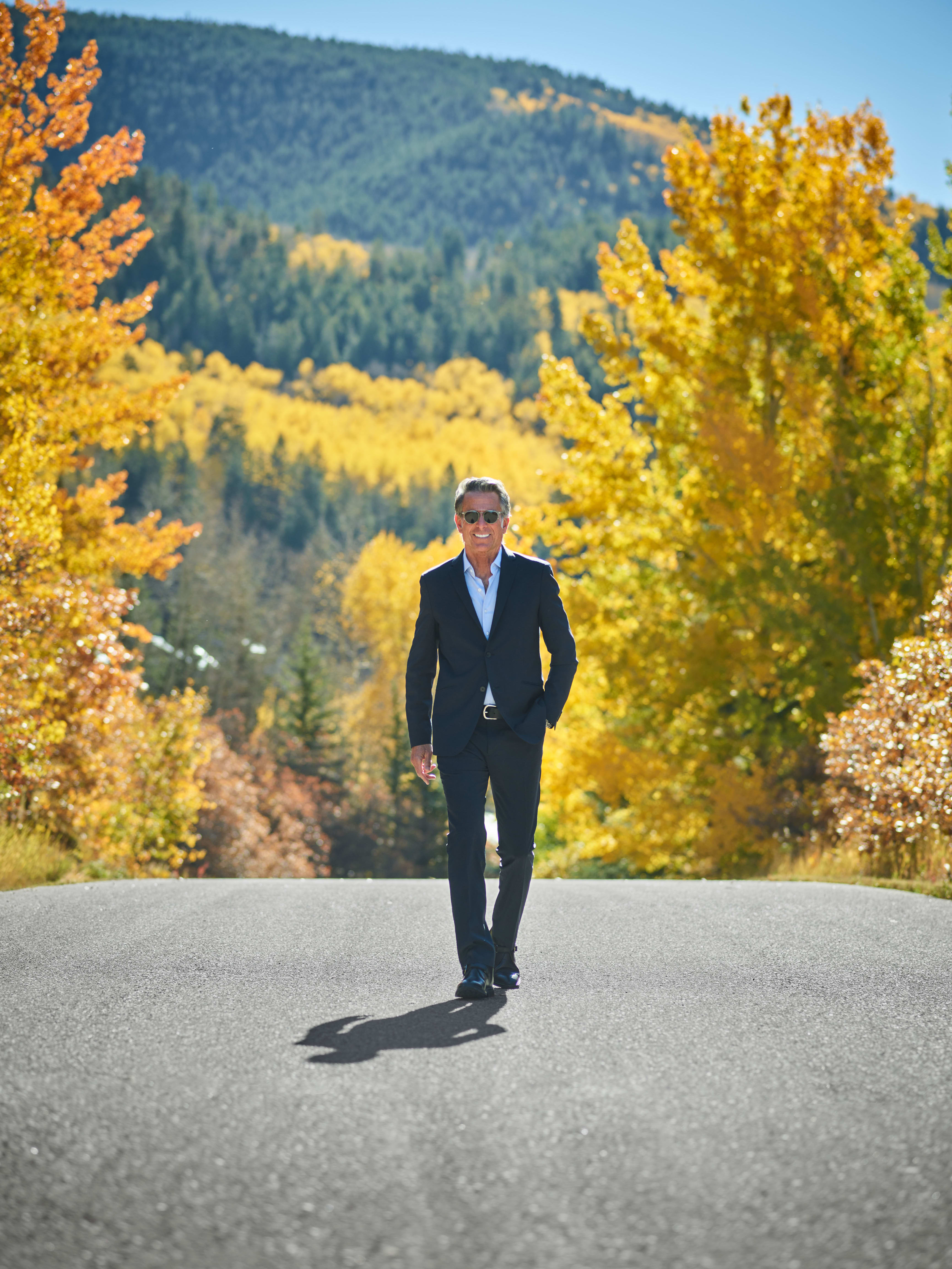
If I had to identify the single season most responsible for converting Aspen visitors into Aspen buyers, it would be fall without hesitation. The aspen tree, from which this town takes its name, produces one of the most spectacular foliage displays in North America. Beginning in late September and running through mid-October, the hillsides surrounding the valley ignite in gold, orange, and amber in a display that stops people in their tracks.
Fall is also elk season, harvest season at the local farms and markets of the Roaring Fork Valley, and the season when the shoulder crowds thin enough that you can walk into nearly any restaurant in town without a reservation. The air carries a crispness that signals the coming winter without yet delivering it, and there is an anticipation in the community that is palpable and exciting.
Properties with western or southern exposures capture the fall foliage views with particular drama, and it is not uncommon for a buyer who visits in October to make a decision they had been deliberating for months. A listing like the
Cimarron Mountain Club represents exactly the kind of property that delivers across all four seasons, offering the architectural quality, setting, and connection to the natural landscape that makes year-round mountain living not just comfortable but genuinely extraordinary.
The Year-Round Case for Aspen Real Estate
When Steven Shane talks with clients about the long-term value of an Aspen property, the four-season argument is central. Markets that deliver a single season of desirability are subject to significant volatility. Aspen is not that market.
The demand here is distributed across the calendar, which means properties are utilized more fully, rental income potential is more consistent, and the community infrastructure, the restaurants, the cultural institutions, the retail, remains vibrant and well-supported throughout the year.
Owning in Aspen is not owning a vacation home. It is owning a life.
Frequently Asked Questions About Year-Round Living in Aspen
What is the least crowded season in Aspen?
Spring, specifically April through early June, is the quietest period in Aspen. It offers a wonderful opportunity to experience the town at its most local and relaxed.
Is Aspen's summer comparable to its winter in terms of activities and events?
Absolutely. Summer in Aspen has a robust cultural calendar anchored by the Aspen Music Festival, Aspen Ideas Festival, and numerous outdoor recreation opportunities that draw visitors and residents from around the world.
How do property values in Aspen perform year-round compared to purely seasonal markets?
Aspen consistently outperforms single-season mountain markets because demand is distributed across the full calendar year. The four-season appeal supports stronger long-term appreciation and more consistent rental utilization.
When is the best time to visit Aspen as a prospective buyer?
Every season offers a distinct perspective, and I genuinely recommend visiting in multiple seasons before making a purchase decision. Many buyers find that fall or spring visits are the most revealing of what everyday life in Aspen actually feels like.
Does the year-round lifestyle affect the community feel of Aspen?
Significantly. Because Aspen attracts residents and visitors across all four seasons, it maintains a more active, engaged, and permanent community than resorts that function primarily as winter destinations.
Discover What Year-Round Mountain Living Truly Means
If the idea of owning a home that delivers this depth of experience across every season resonates with you, I would love to show you what is currently available in this market. Explore listings including the exceptional opportunity at
Cimarron Mountain Club and connect with me directly at
shaneaspen.com to begin a conversation about
finding your place in Aspen, not just for one season, but for all of them.